📦FREE SHIPPING ON ALL ORDERS🍄 Dismiss
Skip to content
When considering how mushrooms grow, many people mistakenly assume they behave like plants, needing sunlight to thrive. However, mushrooms are fungi, which means they grow by absorbing nutrients from their surroundings, not by photosynthesis.
With that said, do mushrooms need light to grow indoors if they get nutrients from their surroundings? Even though mushrooms don’t require light for energy, light significantly influences their growth process, particularly during the fruiting stage. Let’s explore the critical relationship between mushrooms and light, and how you can optimize lighting conditions to enhance mushroom growth at home or commercially.
Mushrooms don’t harness sunlight for energy, but light still serves as a crucial environmental cue. When the mycelium, the root-like network of fungi, is ready to form mushrooms, exposure to the right type of light signals that conditions are favorable for fruiting. Without this signal, mushrooms may fail to develop altogether.
Light acts as a trigger, signaling the mycelium to produce mushrooms. Proper lighting ensures a timely and abundant mushroom harvest.
Mushrooms naturally grow toward light sources, a phenomenon called phototropism. Proper lighting ensures mushrooms develop upright and uniformly, making harvesting easier and improving overall yield.
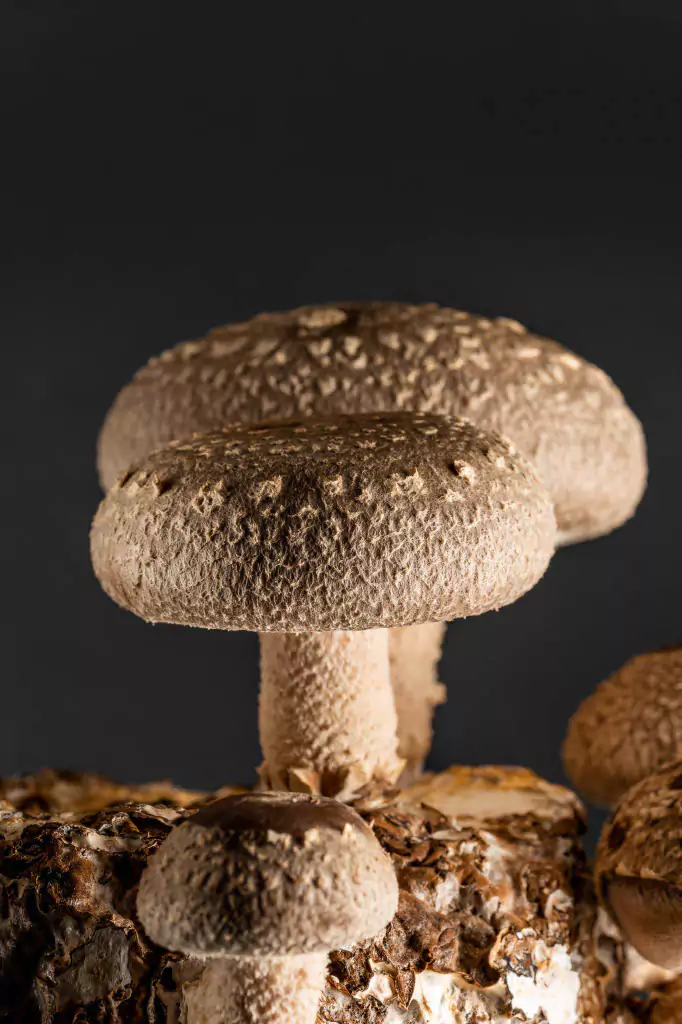
The presence of appropriate light enhances the color and overall appearance of mushrooms. For instance, oyster mushrooms exposed to suitable light often exhibit deeper, richer caps compared to those grown in complete darkness, which tend to look pale or washed out.
Consistent lighting helps mushrooms maintain natural growth rhythms, improving overall health and productivity. Regular cycles can influence growth rates, fruiting consistency, and even spore release patterns.
While many cultivated mushroom species respond positively to light, some varieties are less sensitive and can fruit with minimal or no light. It’s essential to know the specific requirements of the mushrooms you’re cultivating to tailor your lighting setup appropriately. Do mushrooms need light to grow for the average grower? An easy answer is yes.
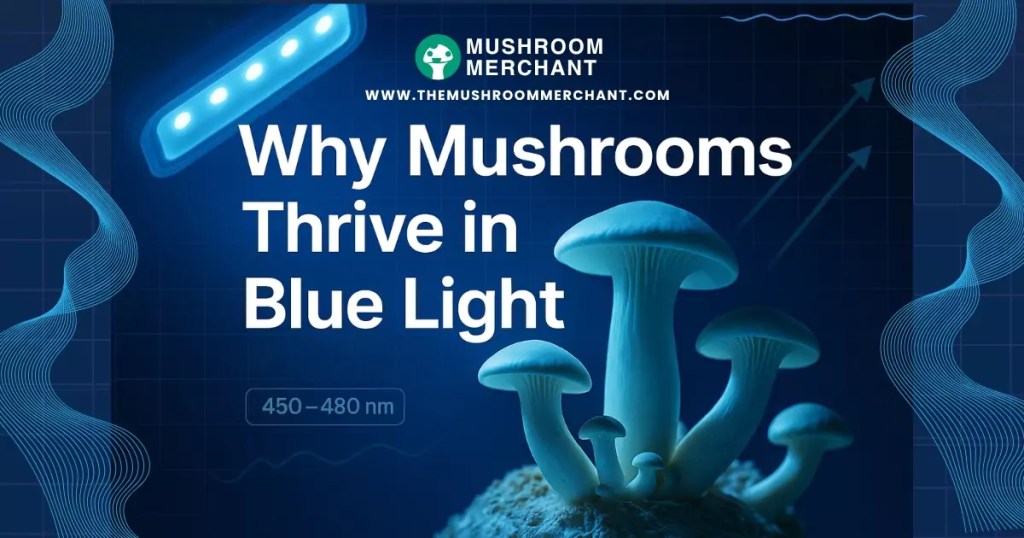
Even though mushrooms do not use light for energy, providing the correct lighting environment significantly impacts their growth, health, and productivity. By offering low-intensity, blue-spectrum-rich light on a regular cycle, growers can enhance their mushroom yields and ensure vibrant, healthy mushrooms. Whether cultivating mushrooms at home or managing a commercial mushroom farm, understanding the subtle yet essential role of lighting in mushroom growth is key to successful cultivation.
Mushrooms grow mycelium in the dark, but light is often needed to trigger fruiting. Most species grow best with low-intensity, indirect light during the fruiting stage.
Yes, white or cool white LEDs work well for growing mushrooms. They provide enough blue light, which is helpful for pinning and development.
A 12-hour light and 12-hour dark cycle is effective for many common species like oyster, shiitake, and lion’s mane. It helps support natural rhythms and consistent growth.
Direct sunlight can be too intense and may dry out the substrate or overheat the growing area. Indirect or diffused natural light is best.
Not all mushrooms require light, but many common cultivated species use light as a signal to initiate fruiting. The amount and type of light needed depends on the species.
Learn More About Mycology
Get updates and learn about growing mushrooms