📦FREE SHIPPING ON ALL ORDERS🍄 Dismiss
Skip to content
Introduction
When it comes to successful mushroom cultivation, few factors are more important than choosing the right substrate. The substrate is the material that provides nutrients and a growing environment for your mycelium to colonize and fruit. Whether you’re a hobbyist or scaling a home grow operation, understanding substrate options is key to high yields, fast colonization, and clean results.
This guide will break down the best substrates by species, explain why some substrates outperform others, and help you choose the right option for your goals. Let’s look at the best substrate for growing mushrooms and learn why it makes a difference.
A substrate is the nutrient-rich material that mushroom mycelium uses to grow and produce fruiting bodies. It serves as both the food source and physical structure for colonization. Common substrates include coco coir, straw, sawdust, manure, and supplemented blocks.
Your substrate affects everything from:
Contamination resistance
Colonization speed
Fruit size and yield
Ease of preparation
Final mushroom quality
Choosing the right one ensures your grow is efficient and productive, especially when working in non-sterile or home environments.
1. Oyster Mushrooms (Pleurotus ostreatus and variants)
Best Substrates: Pasteurized straw, coco coir + vermiculite (CVG), supplemented hardwood sawdust
Why: Oysters are aggressive colonizers and thrive on lignin-rich materials like straw or wood-based blocks.
Beginner-Friendly Option: CVG is sterile-friendly, easy to prep, and works well with grow bags or tubs.
2. Lion’s Mane (Hericium erinaceus)
Best Substrates: Hardwood sawdust with wheat bran, supplemented blocks
Why: Lion’s Mane prefers high-nutrient, fine-textured substrates that mimic its natural hardwood habitat.
Tip: Our hardwood substrate, enriched with wheat bran, is a proven option for vigorous Lion’s Mane growth and fruiting.
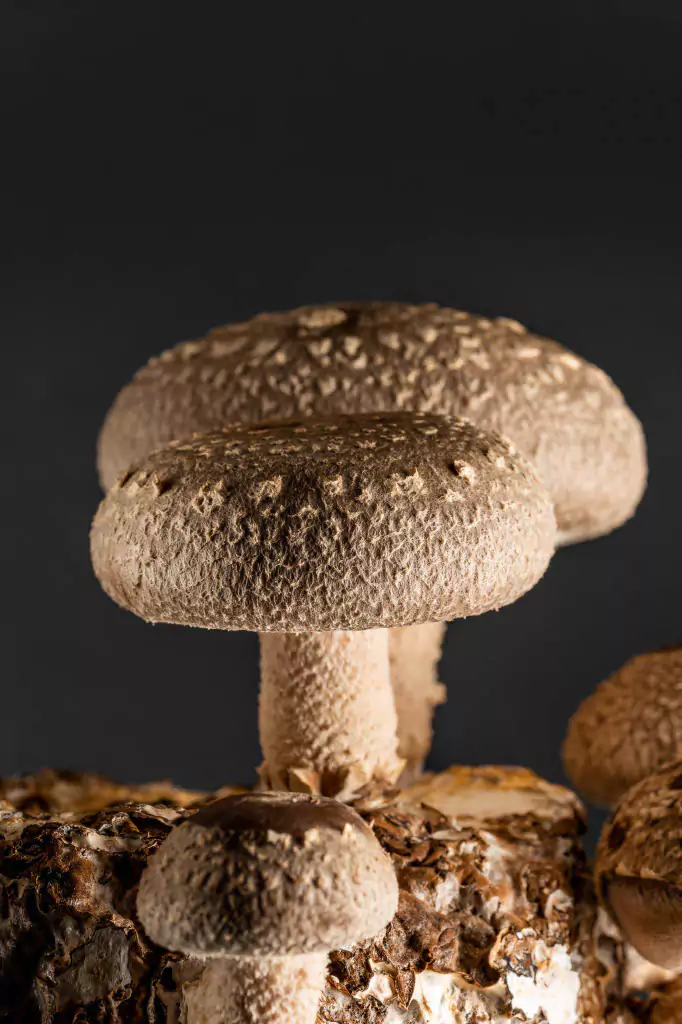
3. Shiitake (Lentinula edodes)
Best Substrates: Oak-based sawdust blocks, logs
Why: Shiitake grows naturally on hardwood and performs best on aged, supplemented sawdust.
Not Ideal for CVG: Too soft and lacking the complex lignin structure shiitake prefers.
4. Reishi (Ganoderma lucidum)
Best Substrates: Hardwood sawdust, logs
Why: Reishi prefers slow, steady colonization of dense woody substrates. Long colonization times mean contamination control is crucial.
5. Psilocybe cubensis (Where legal)
Best Substrates: CVG (coco coir, vermiculite, gypsum), manure-based mixes
Why: CVG is the gold standard for cubensis cultivation. It offers the same high yields as manure without the strong odor, handling complexity, or risk of contamination.
Note: CVG also allows for cleaner work in indoor environments and pairs perfectly with monotubs and grow bags. For this species, CVG is the best substrate.
Holds moisture extremely well
Resistant to contamination when properly hydrated
Renewable and widely available
Best used in CVG mixes
Provides structure and aeration
Helps retain water without becoming soggy
Essential for balanced colonization in coir-based mixes
Improves mineral content (calcium, sulfur)
Prevents substrate clumping
Helps mycelium form stronger networks
Ideal for bulk oyster grows
Cheap and easy to source
Requires pasteurization, not sterilization
Excellent for wood-loving species like Lion’s Mane, Shiitake, and Reishi
Wheat bran adds extra nutrition for larger fruits
Must be sterilized due to its high nutrient content
Our hardwood mix at Mushroom Merchant is perfectly balanced and fully sterilized, ready for use
High in nitrogen and ideal for dung-loving species like P. cubensis
Requires proper composting or sterilization
Often avoided due to smell and higher contamination risk
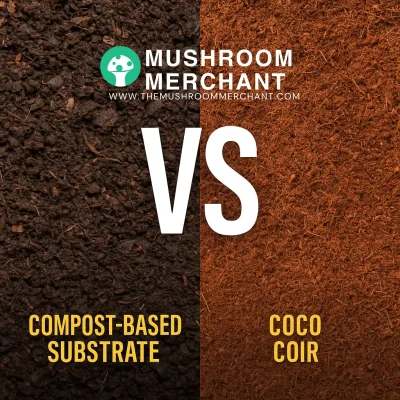
CVG stands for Coco Coir, Vermiculite, and Gypsum. It’s the most widely used substrate for home growers of species like P. cubensis and even some oyster varieties.
Fully sterile when prepared correctly
Holds water well for consistent humidity
Easy to mix, store, and scale
Significantly cleaner than manure and has no smell
Compatible with grow bags and monotubs
At Mushroom Merchant, our CVG substrate is pre-mixed, hydrated to field capacity, vacuum sealed, and sterilized in a HEPA-filtered facility. It’s ready to use right out of the box with no need to sterilize or pasteurize—just inoculate and grow. Enjoy the best substrate for growing mushrooms.
Ask yourself the following:
What species am I growing? Always choose a substrate suited to your mushroom type.
Do I have sterilization equipment? If not, favor pasteurized or pre-sterilized options like our CVG or hardwood blends.
What’s my scale and experience level? Simpler is better for beginners; CVG and ready-to-use bags are ideal for small indoor grows.
Conclusion
Choosing the right mushroom substrate is the foundation of a successful grow. Whether you’re cultivating gourmet species like Lion’s Mane or legal varieties of Psilocybe, your substrate will determine how quickly and cleanly you reach harvest.
Mushroom Merchant offers fully sterilized, ready-to-use CVG and hardwood substrates tailored to your species. No sterilizer? No problem. Just inoculate and grow—our bags are built to perform.
Explore our full substrate lineup at www.themushroommerchant.com to start your best grow yet.
The best substrate for oyster mushrooms is pasteurized straw or CVG. Straw is cheap and effective for bulk grows, while CVG is easier for sterile indoor setups and offers great moisture retention.
No. Once a substrate is spent, it’s depleted of nutrients and may contain contaminants. It’s best to compost it or use it as garden mulch rather than trying to reuse it for new flushes.
CVG works great for cubensis and some oyster strains, but wood-loving species like Lion’s Mane or Shiitake do best on hardwood-based substrates with added nutrition like wheat bran.
No. All of our substrates are fully sterilized, vacuum-sealed, and ready to use right out of the bag. Just inoculate and grow—no extra prep needed.
CVG in a sterilized grow bag is the easiest option for beginners. It’s clean, consistent, and works with several species, especially Psilocybe cubensis and oysters.
Learn More About Mycology
Get updates and learn about growing mushrooms