📦FREE SHIPPING ON ALL ORDERS🍄 Dismiss
Skip to content

Mycology is the branch of biology focused on the study of fungi, including mushrooms, molds, and yeasts. It explores their genetic and biochemical properties, their taxonomy, and their roles in nature, medicine, and industry. From decomposing organic matter to producing antibiotics and fermented foods, fungi are among the most essential yet overlooked organisms on Earth.
The formal study of fungi began in the 17th century with early microscopes, but it wasn’t until the 19th century that mycology was recognized as a scientific discipline. Pioneering scientists like Elias Magnus Fries and Anton de Bary helped classify fungi and understand their ecological importance. Today, mycology is a multidisciplinary field spanning microbiology, botany, ecology, and biotechnology.
Fungi play several critical roles in ecosystems and human life:
One of the most accessible applications of mycology is mushroom cultivation. Growers around the world use scientific principles of mycology to cultivate gourmet, medicinal, and research-grade mushrooms. Understanding fungal life cycles, substrate needs, and sterile techniques are key to successful cultivation.
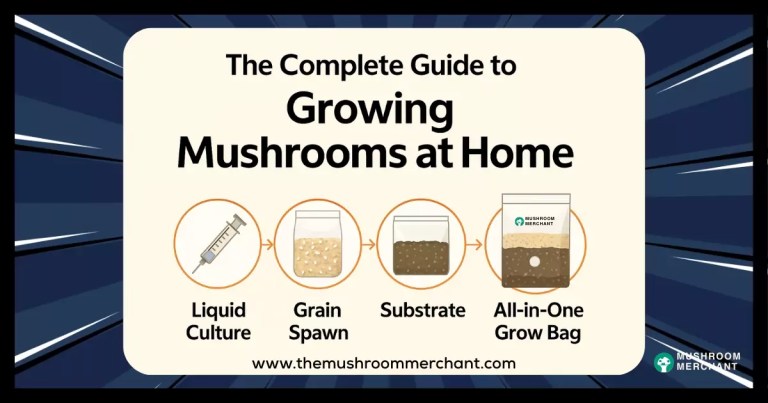
The field is growing rapidly, with more hobbyists and entrepreneurs becoming involved. Advances in equipment and techniques, including liquid culture, agar plates, and sterile grain spawn, have made mushroom cultivation more accessible for both home growers and commercial operations.
Mycologists work in a variety of fields, including:
Many mycologists also work in emerging industries like biomaterials and sustainable packaging, where fungi are being used to create biodegradable alternatives to plastics and leather. In the field of space exploration, fungal-based systems are being studied for life support and habitat construction.
Educators and science communicators with a background in mycology are in demand as public interest in mushrooms grows. Citizen science projects and fungal biodiversity surveys also offer opportunities for part-time or volunteer involvement. With continued advancements in technology and public awareness, mycology is expanding far beyond the lab and into real-world applications that impact our future.
Mycology is the study of fungi and the role they play in the natural world. For scientists, growers, and hobbyists alike, learning about fungi can lead to a better understanding of how mushrooms grow, how ecosystems function, and how fungi can be used in practical ways.
Mycology is the branch of biology that studies fungi, including mushrooms, yeasts, and molds. It covers their classification, life cycles, benefits, and uses in science, medicine, and agriculture.
Fungi play important roles in ecosystems, agriculture, food production, medicine, and decomposition. Mycology helps us understand how fungi live and interact with their environment, while also helping us find practical ways to use them in science, cultivation, and industry.
Not exactly. Mycology is the scientific study of all fungi, while mushroom cultivation focuses specifically on growing edible or medicinal mushrooms using mycological principles.
Careers in mycology include research, agriculture, pharmaceuticals, environmental science, and commercial mushroom growing.
Fungi are a separate kingdom of life. Unlike plants, they do not photosynthesize. Unlike animals, they absorb nutrients externally by breaking down matter with enzymes.
Learn More About Mycology
Get updates and learn about growing mushrooms