📦FREE SHIPPING ON ALL ORDERS🍄 Dismiss
Skip to content
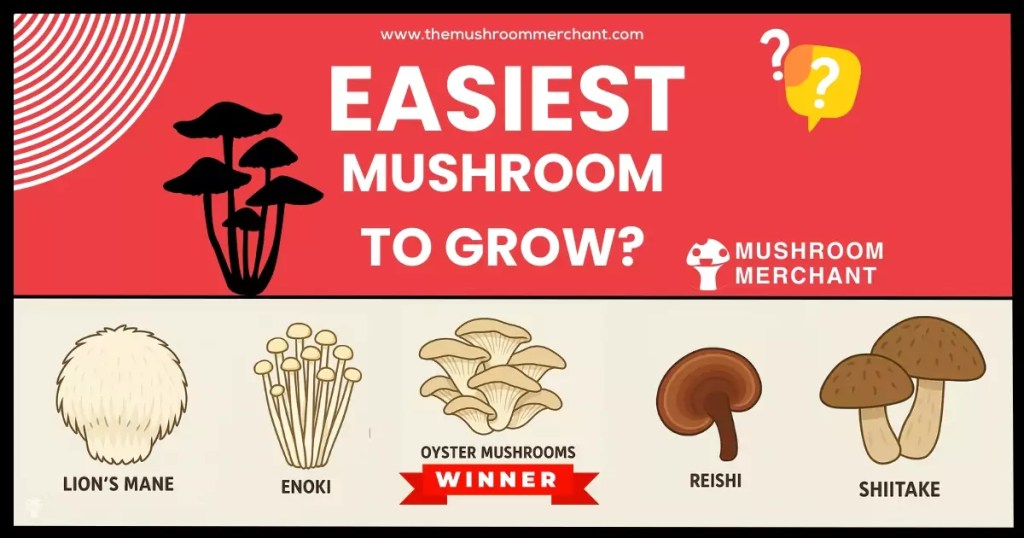
If you’re interested in growing your own mushrooms at home but aren’t sure where to begin, you’re not alone. One of the most common questions new growers ask is: what is the easiest mushroom to grow indoors? The answer is almost unanimously oyster mushrooms. We are going to explore why oyster mushrooms are the easiest to grow, and what is needed to grow them.
If you’re new to mushroom cultivation, choosing the easiest mushroom to grow can make all the difference. Starting with forgiving, fast-growing species helps you learn the basics without getting discouraged. In this guide, we’ll break down the top beginner-friendly mushrooms, explain what makes them easy, and offer a checklist to help you get started.
Whether you’re growing mushrooms at home in a kit or diving into bulk substrate cultivation, these species are known for reliability, resilience, and rewarding yields.
Growing mushrooms is both a science and an art. As a beginner, choosing easier varieties means:
These traits build confidence while teaching essential cultivation steps like sterile technique, fruiting conditions, and harvesting.
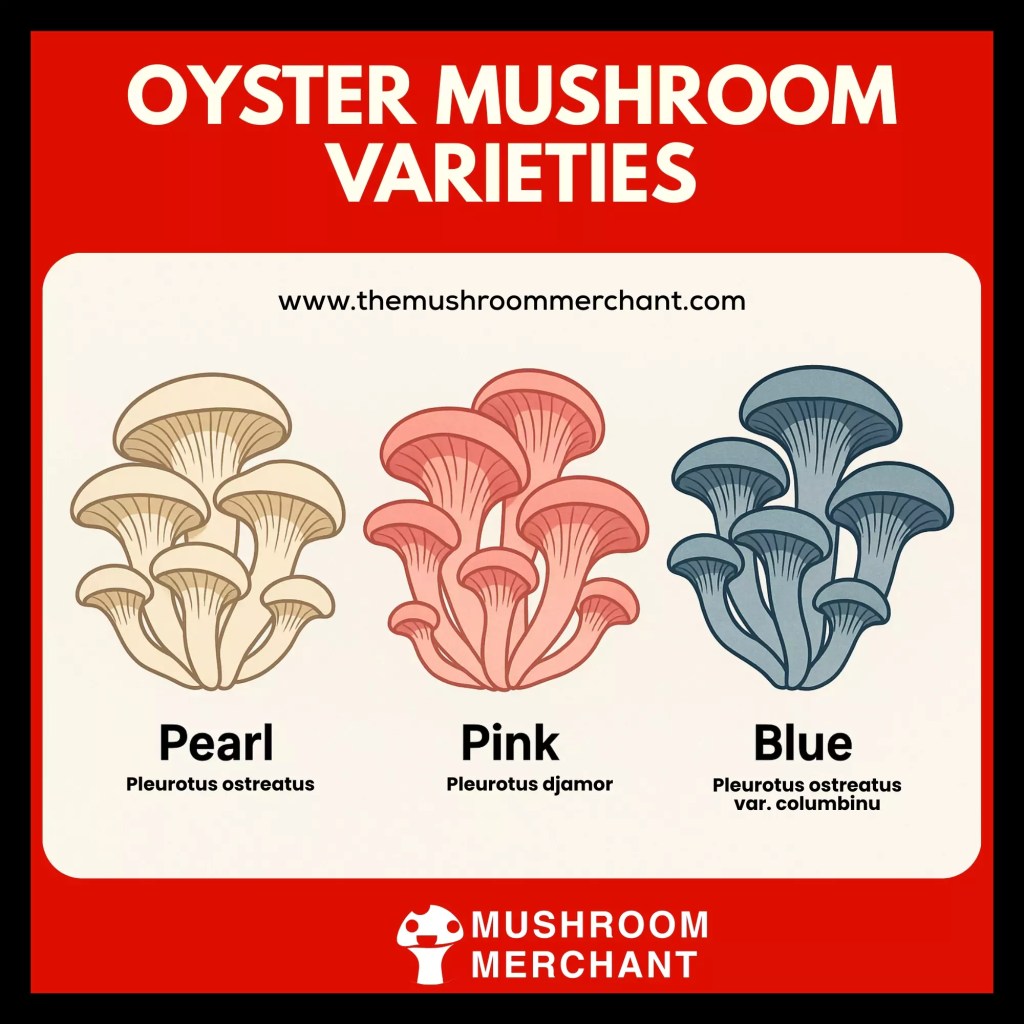
| Mushroom | Colonization Time | Difficulty |
|---|---|---|
| Oyster | 10–14 days | Very Easy |
| Lion’s Mane | 14–21 days | Easy |
| Enoki | ~2 weeks | Easy |
| Reishi | 3–6 weeks | Easy |
| Shiitake | 4–8 weeks | Moderate |
Before you begin, use this checklist to make sure you’re fully prepared.
Basic Supplies:
For DIY or Advanced Setups:
Growing Environment:
All-in-one mushroom grow kits take care of sterilization and moisture content for you. Just inject your liquid culture or spores and wait.
Contamination is a major reason beginner grows fail. Practice wiping down surfaces, using gloves, and flaming needles.
Mushrooms don’t grow overnight. Don’t give up if your bag looks stalled—many strains rebound.

The easiest mushrooms for beginners are not only fun and fascinating—they’re also forgiving. Starting with oysters, lion’s mane, or enoki gives you the best shot at a successful first grow. As you get comfortable, you’ll find joy in experimenting with more advanced species and techniques.
Whether you’re using a grow kit or creating your own setup, The Mushroom Merchant has everything you need to succeed.
Oyster mushrooms are the easiest to grow at home due to their fast growth, low maintenance, and ability to thrive on many substrates.
Yes, you can grow oyster mushrooms without using spores by starting with liquid culture or grain spawn, both of which are faster and more reliable than spore syringes.
It typically takes between 14 to 21 days for oyster mushrooms to grow from inoculation to harvest, depending on temperature, humidity, and the substrate used.
Oyster mushrooms do not require special lighting. Indirect sunlight or a simple LED light is sufficient to support their growth and trigger fruiting.
The best mushroom grow kit for beginners is an all-in-one kit that includes sterile grain, substrate, and an injection port. These kits simplify the process and reduce contamination risk.
Learn More About Mycology
Get updates and learn about growing mushrooms